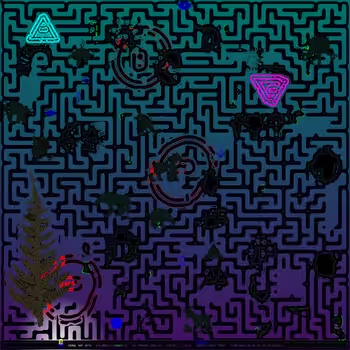
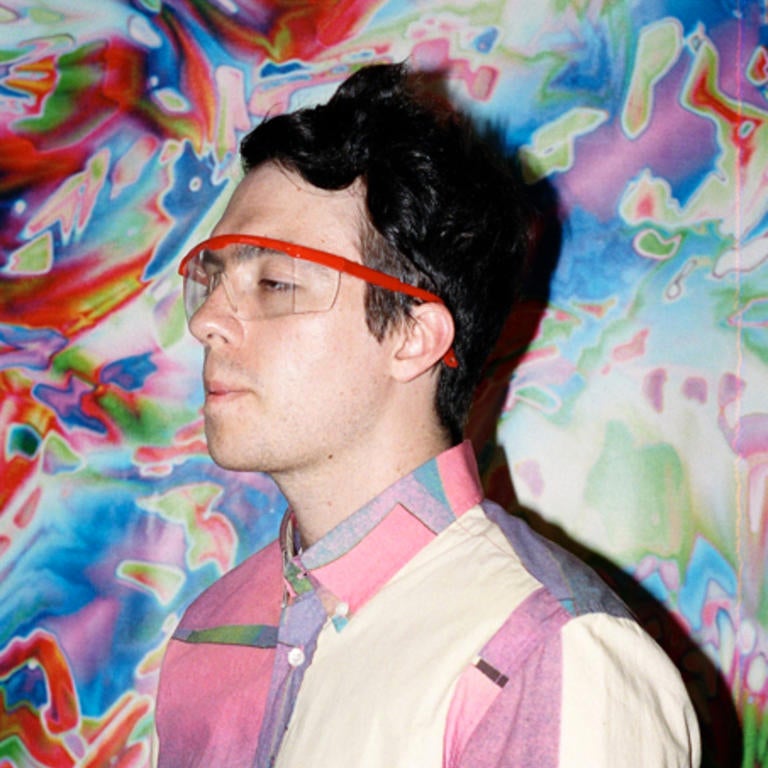
Travess Smalley (American, b. 1986) is an artist and educator who uses code, scanning and printing to move drawings, paintings, collages and sculptures between digital and physical states.,Smalley generates digital compositions with custom software, prints them out, manipulates the prints by hand, then scans them back into the computer to continue the cycle.Smalley is represented by Foxy Production in New York.
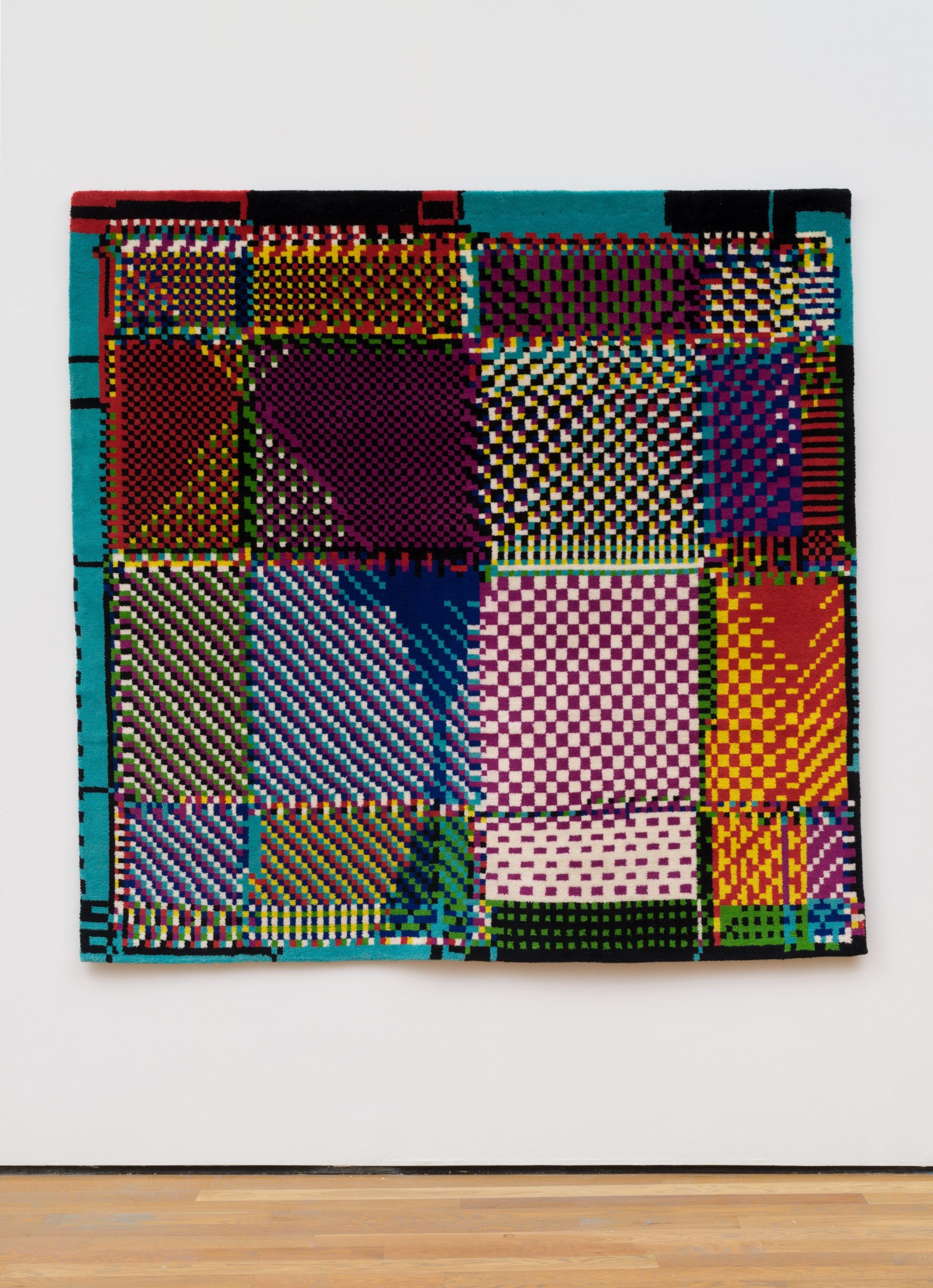
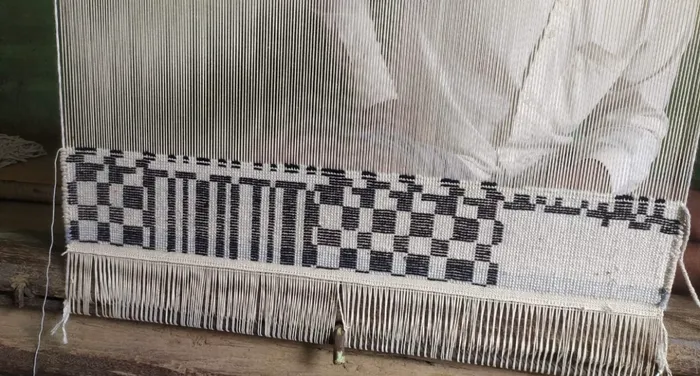
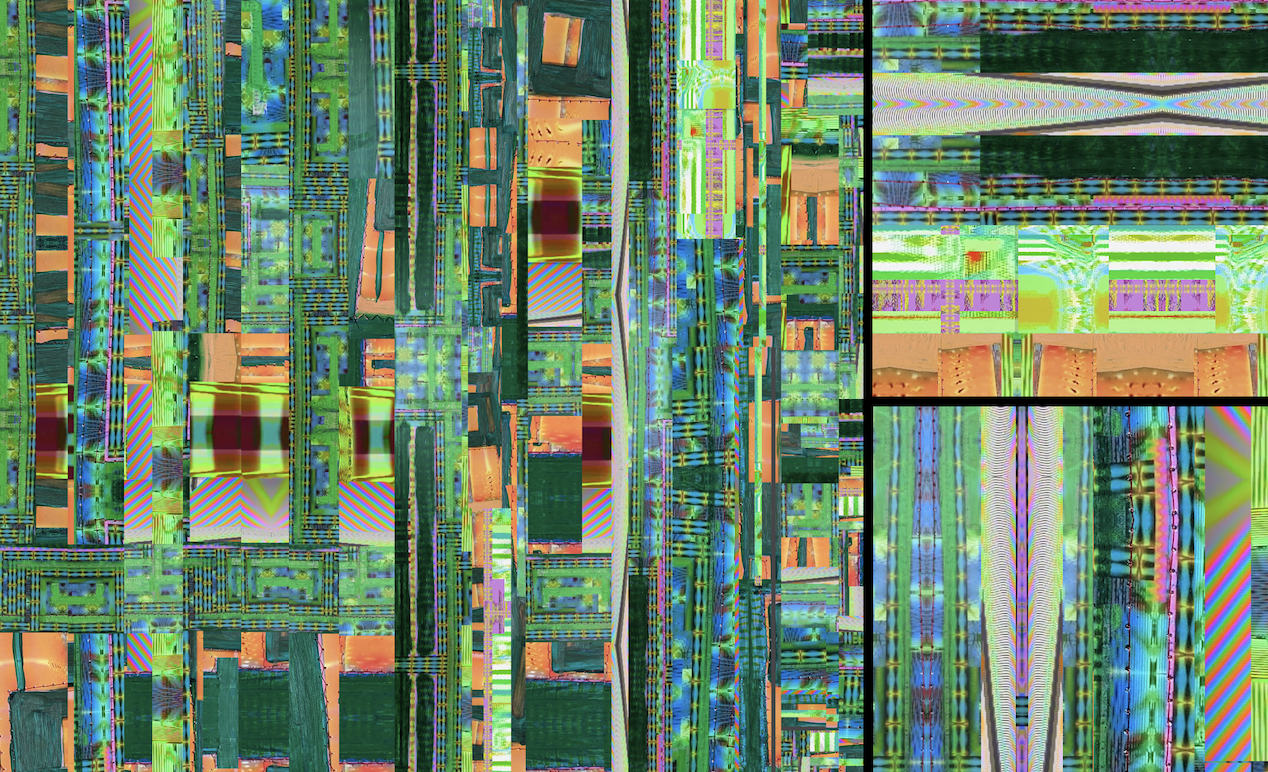
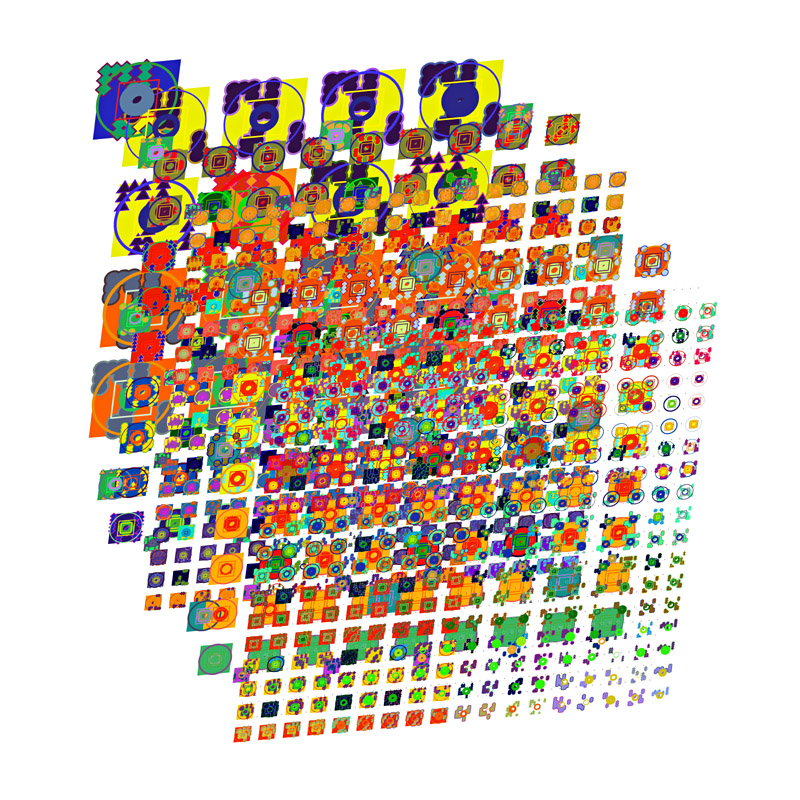
Born in Huntington, West Virginia, Smalley studied painting at Virginia Commonwealth University before earning a BFA from Cooper Union in 2010 and an MFA in Digital and Media at Rhode Island School of Design in 2022.,,Smalley teaches Print Media as an assistant professor at the University of Rhode Island.,Smalley's Pixel Rugs began as a daily series of generated digital images released on the NFT platform Hic Et Nunc, later known as Teia.The small pixel-grid images draw on pixel art, dithering and anti-aliasing techniques and reference Appalachian textiles and quilting, a tradition Smalley has traced to a great-grandmother's quiltmaking.,Over the following two years the series expanded into plotter drawings, modded Minecraft assets, and a playable Game Boy cartridge, alongside NFTs and six hand-knotted wool rugs. The rugs were made with designer Samira Gagné Ludwin of Maman Rugs and woven by Shanti Sunita Aparna of Nitya Exports in Bhadohi Nagar Palika, Uttar Pradesh, India, and were shown at Phillips London and the State Silk Museum in Tbilisi in 2022.Critics have since described Pixel Rugs as resembling circuit boards submerged under layers of generative noise, where order and entropy become difficult to separate.
Smalley's studio practice also centers on artist books: since 2013 Smalley has used AppleScript to automate Photoshop, producing digital paintings that are printed, collaged and rescanned, then compiled into numbered volumes that serve as a physical archive of the process. In 2016 the Vienna gallery Galerie Andreas Huber exhibited more than fifty of these books in Smalley's solo show “set to some of”.For Distributed Gallery's [aside] smart contract protocol, Smalley's artworks are locked from sale until fog is detected in specific locations around the world, tying their liquidity to real-time weather data.Smalley released the artwork CRAWL, curated by Casey Reas, through Feral File.,Smalley's own generative practice draws on the pioneering algorithmic work of Mark Wilson, whom Smalley interviewed for Le Random in 2024.Smalley's work has been exhibited at the International Center of Photography, Kunsthal Rotterdam, and the Museum of Contemporary Art Detroit, and is held in the collections of the High Museum of Art and the Hood Museum.