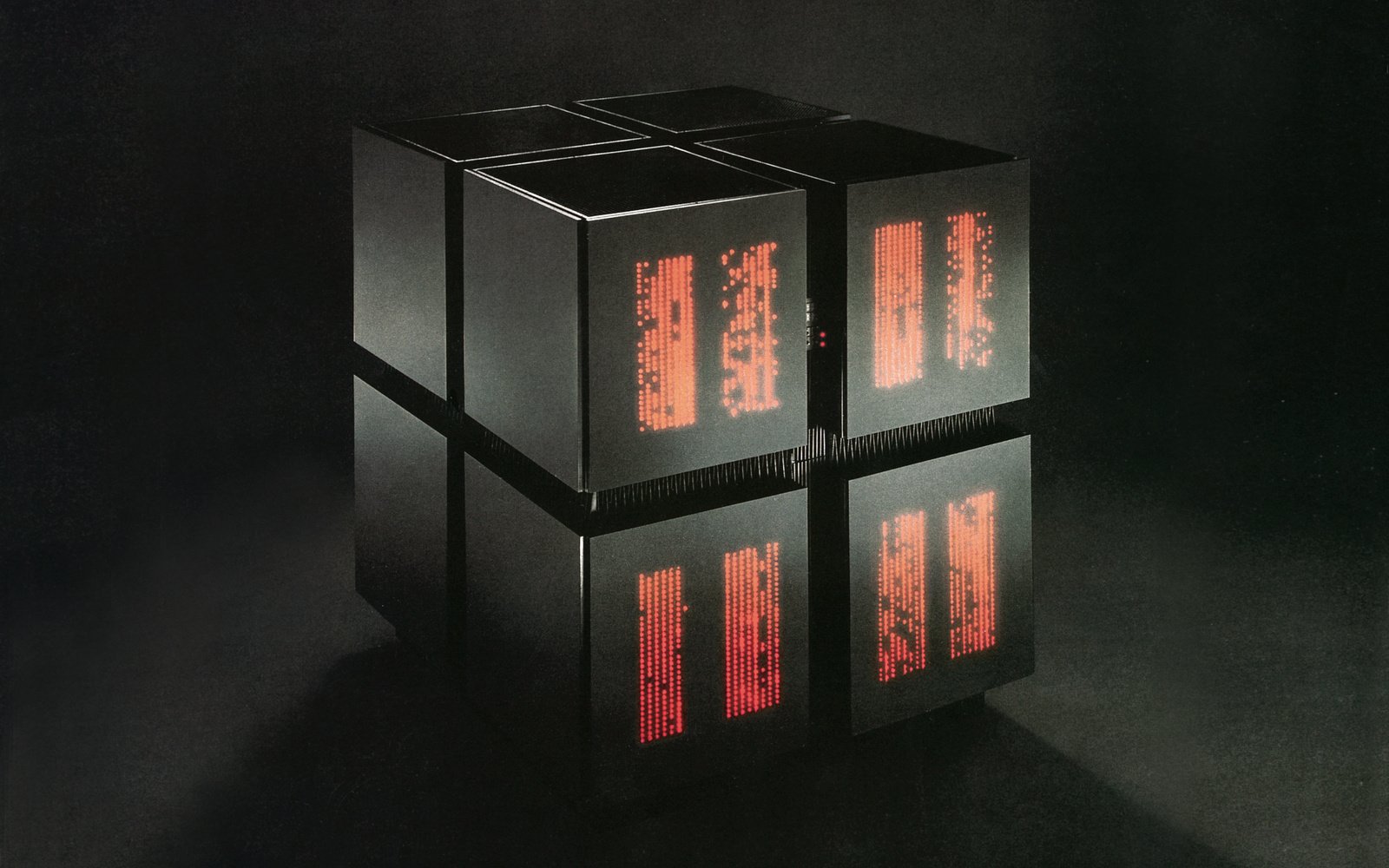
Tamiko Thiel (b. 1957)is a media artist trained in physics, mechanical engineering and product design who spent the 1980s designing the exterior of the Connection Machine, one of the first commercial parallel supercomputers.In 1985 she left engineering to study art, and over the following four decades worked across virtual reality, augmented reality and AI-driven installation.
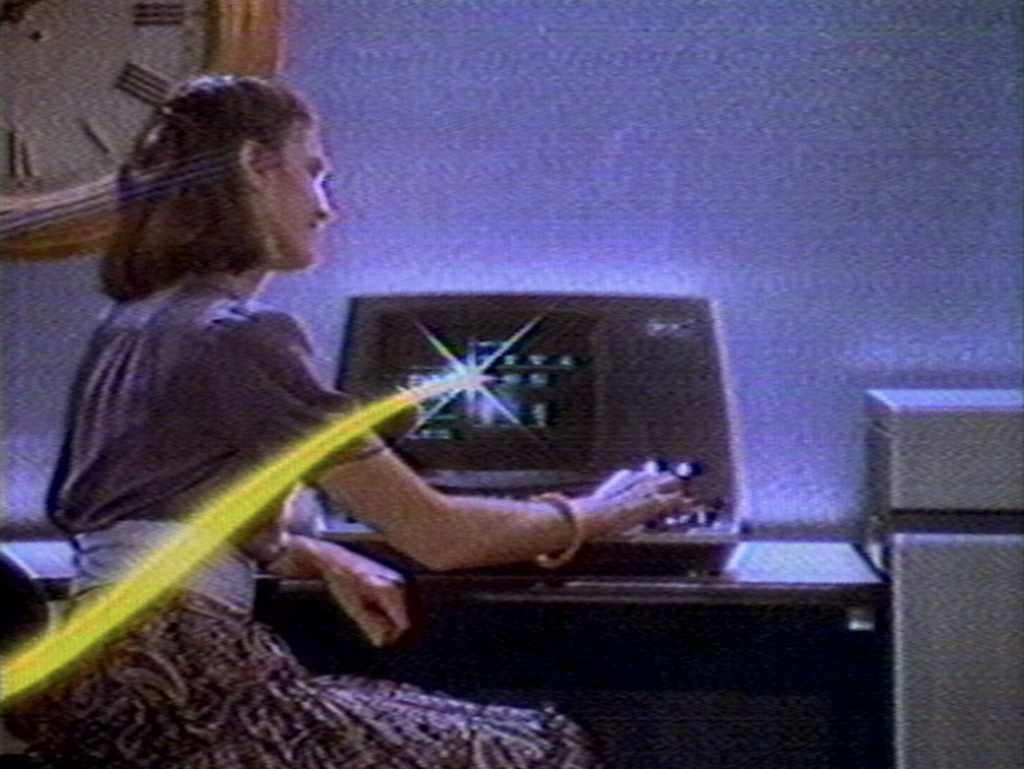
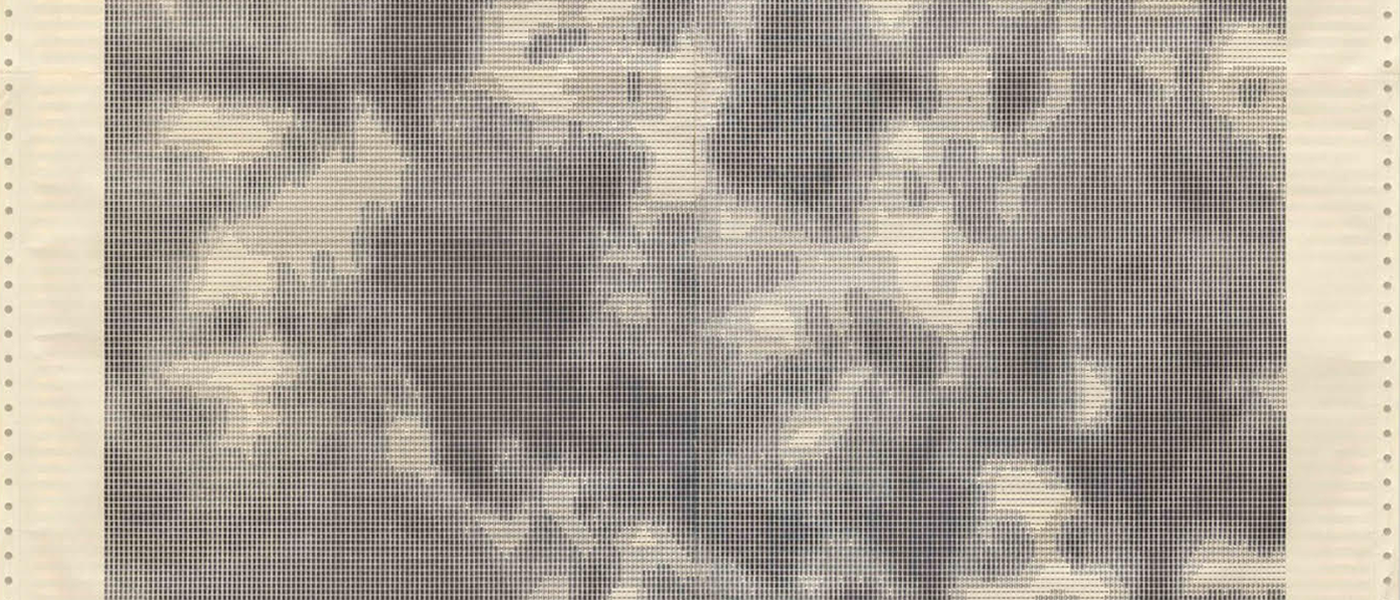
At Thinking Machines Corporation she was lead product designer of Danny Hillis's CM-1 and CM-2, giving the machines a black cube form with transparent doors revealing thousands of status lights. The machines were built no taller than Thiel herself so they would feel, in Hillis's words, like “a machine that can be proud of us”.The CM-1 and CM-2 entered the collections of MoMA and the Smithsonian, and MoMA paired them with work by artists including Vera Molnár in the exhibition “Thinking Machines: Art and Design in the Computer Age, 1959–1989”.,In 2025 “Radical Software: Women, Art & Computing 1960–1991” at Kunsthalle Wien included her among fifty women artists working in early digital art.,
Her VR work began with Starbright World, 1994 to 1997, the first VR world for children, created at Worlds Inc. with Steven Spielberg. Beyond Manzanar, 2000, made with Zara Houshmand, was acquired by the San Jose Museum of Art in 2002 and entered the Smithsonian American Art Museum.
Her augmented reality work began with the ARt Critic Face Matrix, an AR intervention into the Museum of Modern Art in New York in 2010.In 2017 she made Gardens of the Anthropocene and Treasures of Seh-Rem for “The Augmented Landscape” on Salem's waterfront, placing virtual giant algae and Yankee-trader imagery into the harbor to evoke climate change and trade history.Unexpected Growth, 2018, and ReWildAR, 2021, made with her collaborator /p, entered the Whitney Museum of American Art and the Smithsonian American Art Museum.
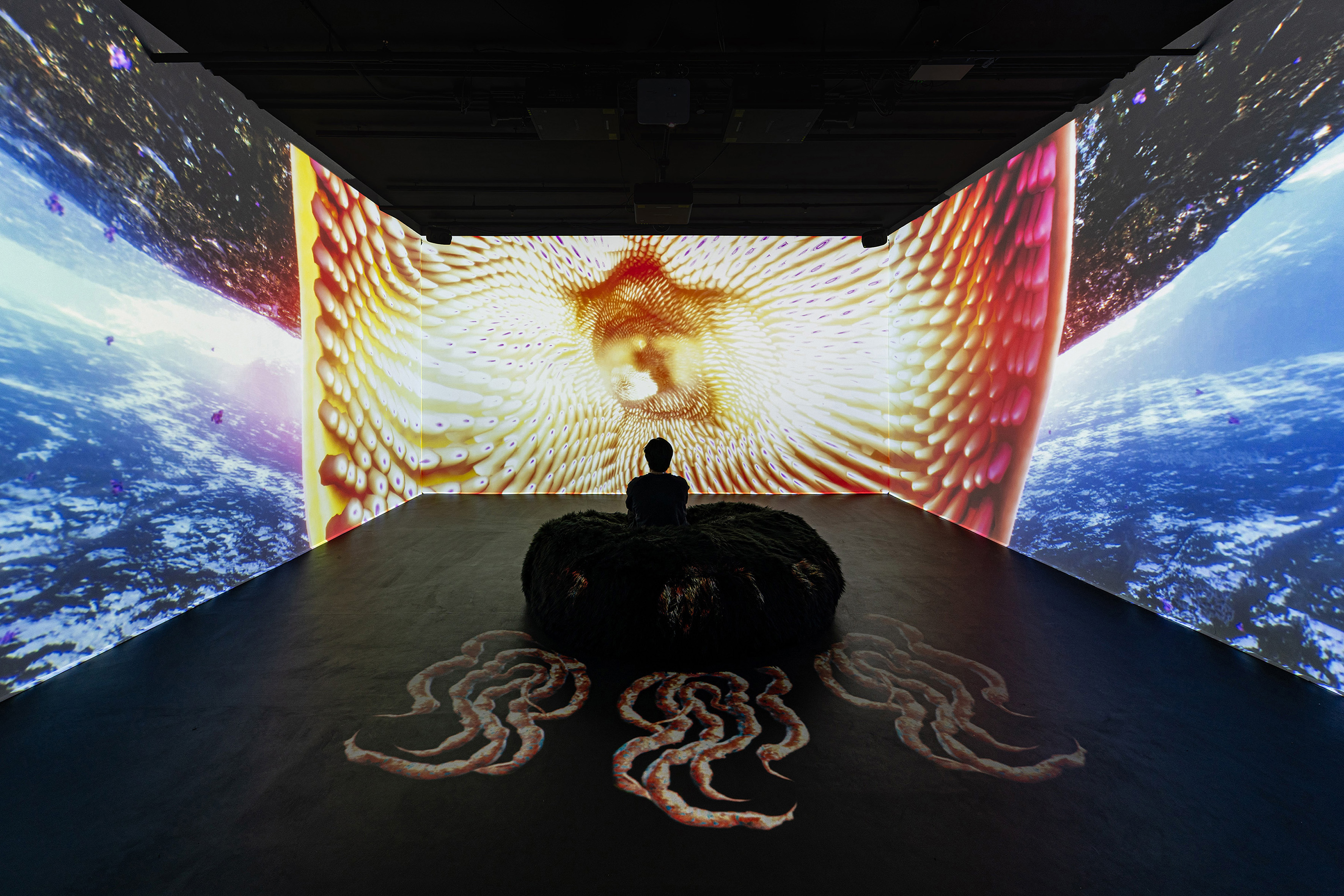
Thiel has also made AI-driven work, including I am Sound, 2016, with Christoph Reiserer, which generates a musical and visual composition from a participant's face, and Lend Me Your Face!, 2020, with /p, a deepfake work mapping a visitor's face onto political-figure footage. She has said she uses AI only for pieces meaningful enough to justify its resource cost, not for quick sales.In 2026 her VR piece Atmos Sphaerae, 2021, was shown at Onassis ONX in New York, and ZKM Karlsruhe devoted a show to the CM-2, alongside a conference on its legacy she helped conceive.,,That year she also joined United Media Artists shows in Venice during the Venice Biennale, exhibiting animated plastic-waste corals.