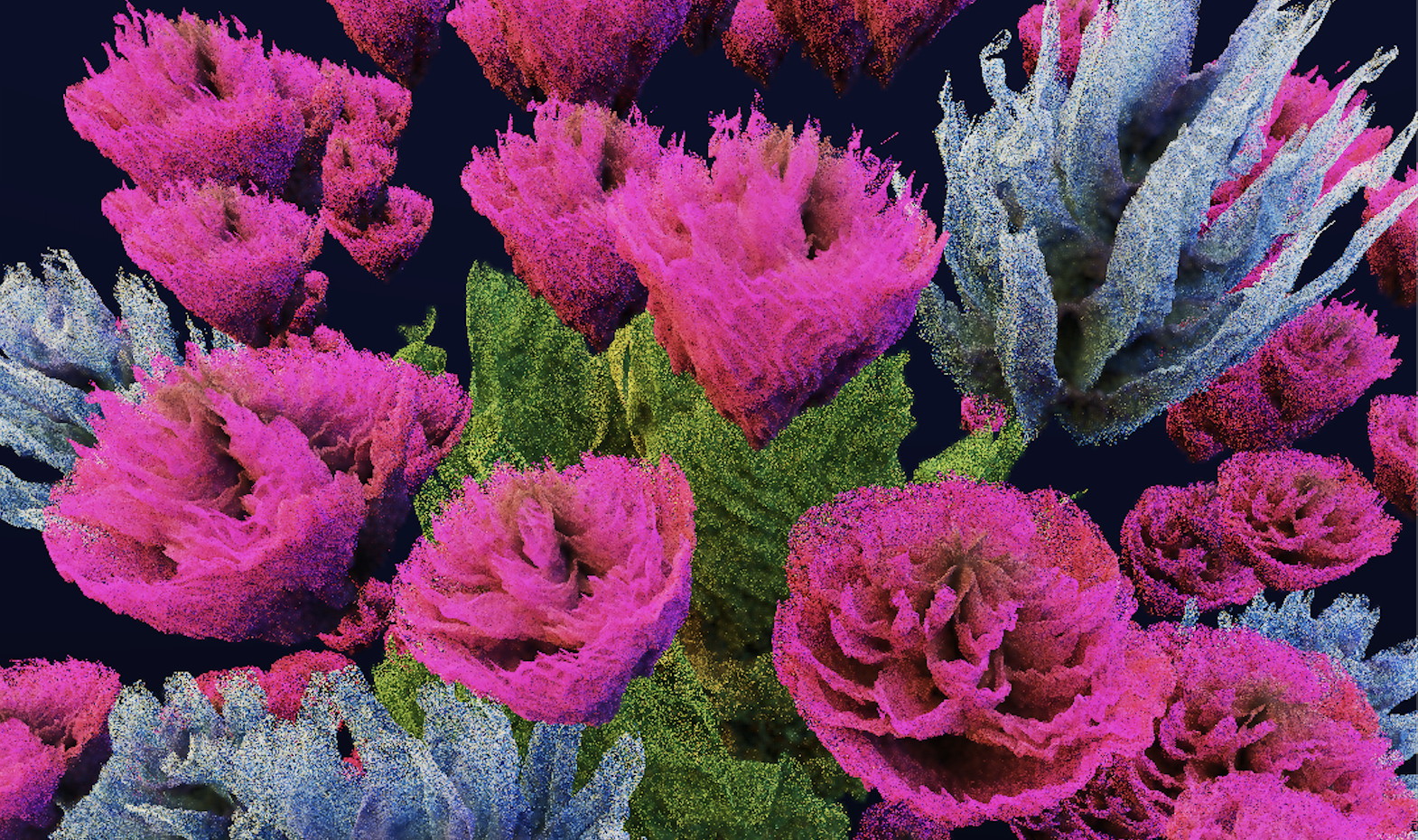
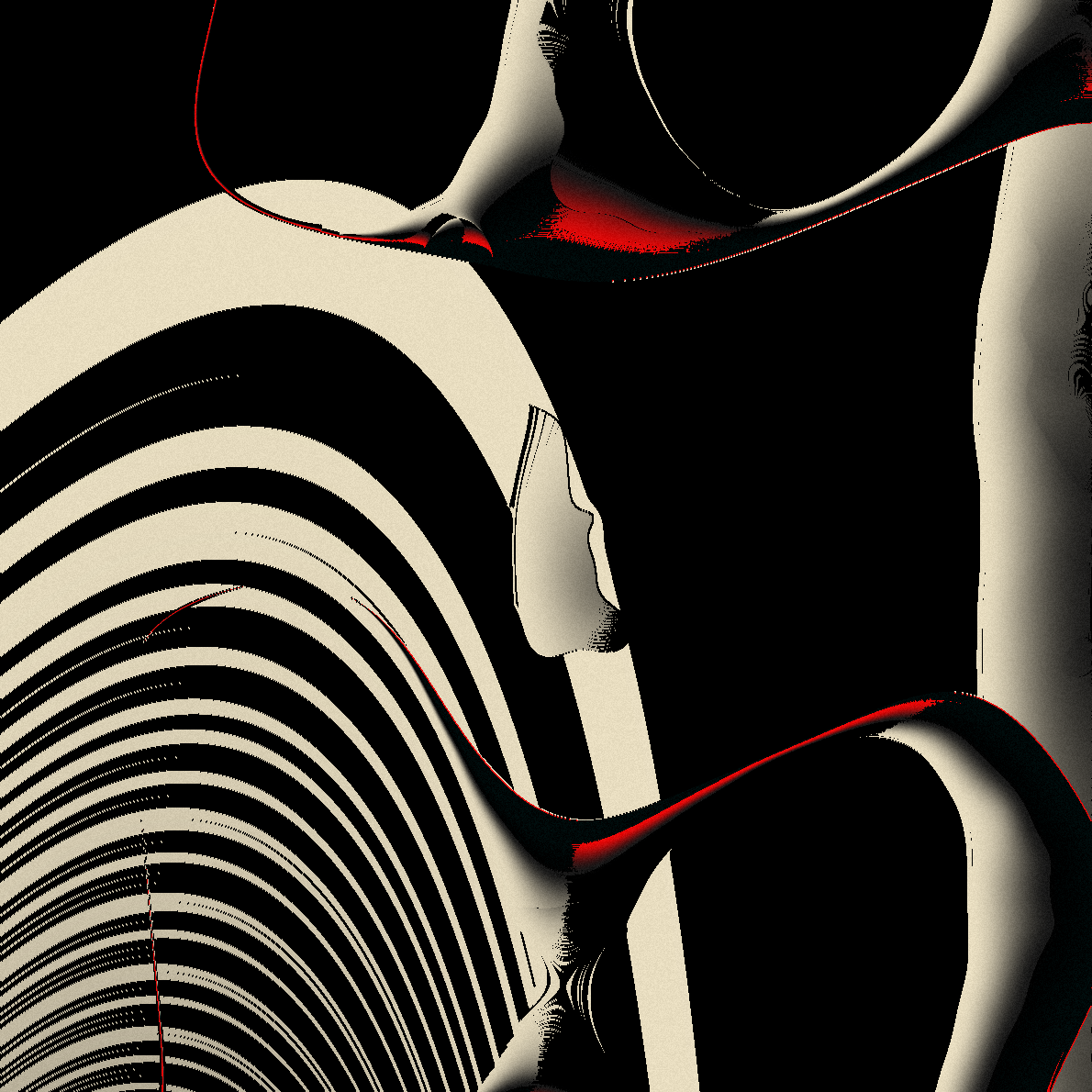
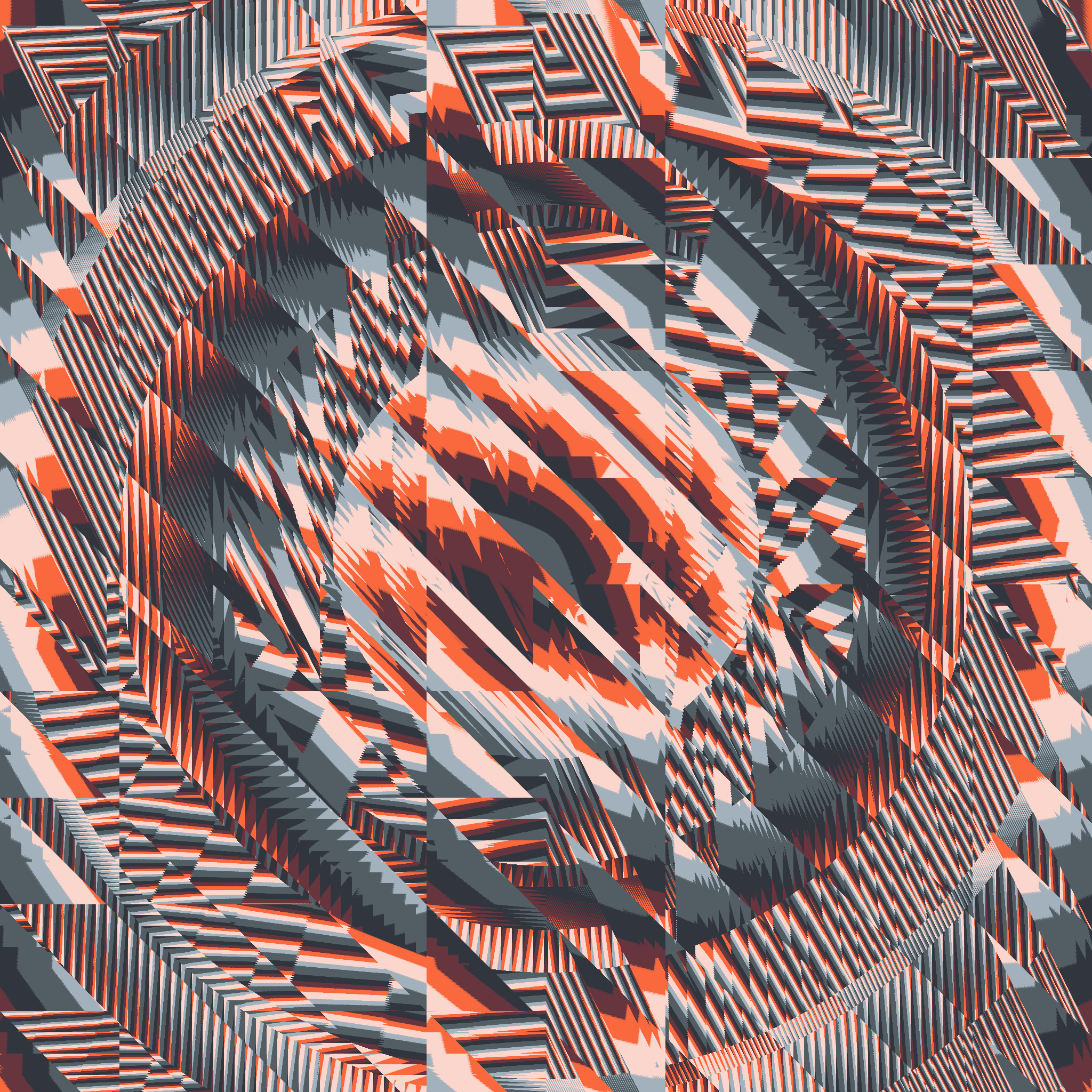
Olga Fradina (Ukrainian, b. 1975) is a generative artist and interior designer from Kyiv who explores geometry, texture and emotional states through creative coding.Trained as a graphic designer, she worked in interior design for over twenty years before turning to generative art through fx(hash).,,The 2022 Russian invasion of Ukraine halted her design work and pushed her fully into Web3, where she found an outlet and a community.
Fradina studied graphic design at the Kyiv Art and Industrial Institute and later worked at a newspaper design department, where she was introduced to early Mac computers and photo editing in the late 1990s. She went on to spend more than twenty years as an interior designer, with projects published in Dezeen, Architectural Digest and Elle Decoration, while continuing to make ceramics and physical art, including a showing at Milan Design Week.,She has described her path to generative art directly: “First, I discovered the platform and after that I became a generative artist. If it hadn't been for fx(hash), it wouldn't have happened.”
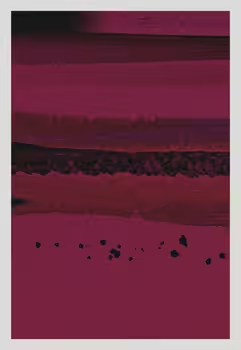
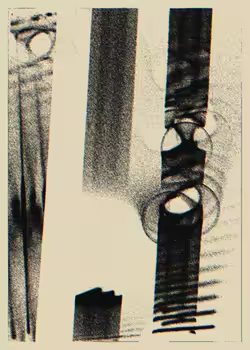
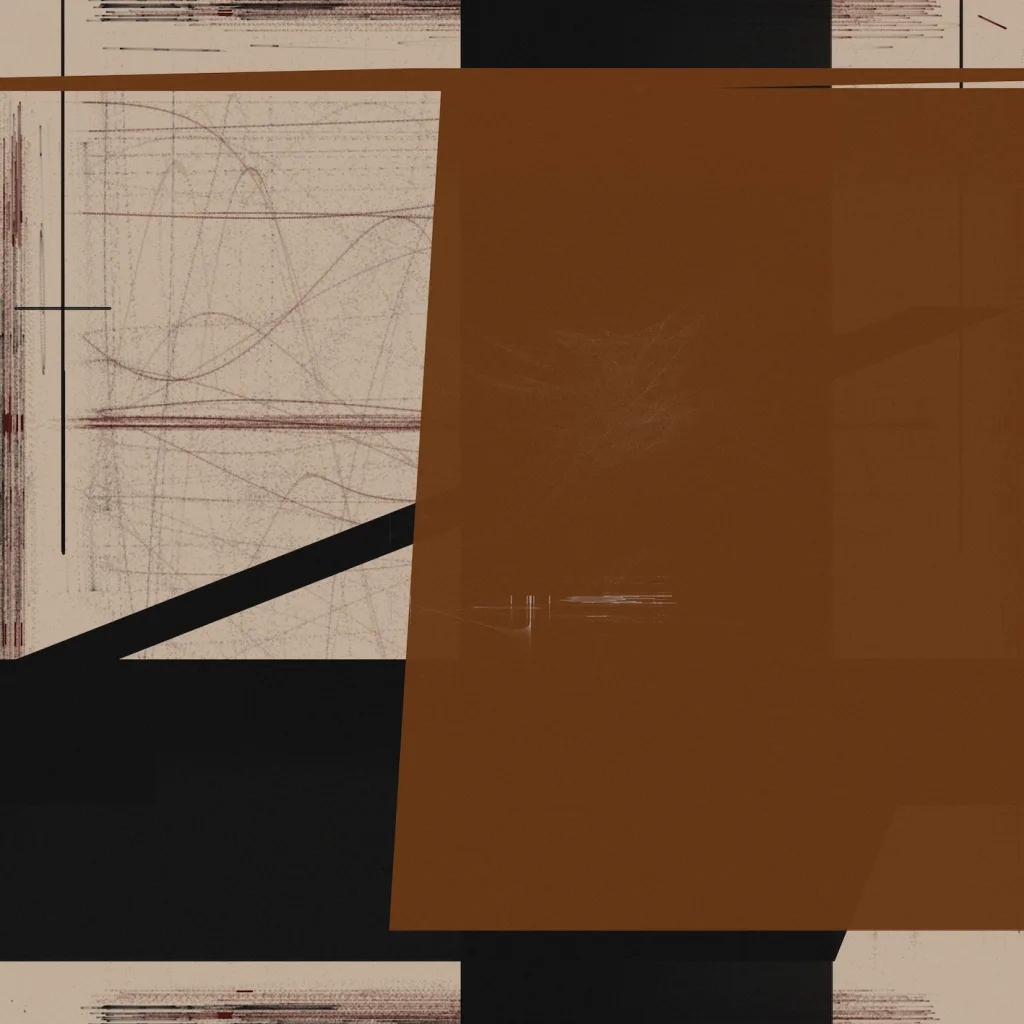
Her work draws on early 20th-century Suprematism, especially Kazimir Malevich's idea that a square can equal a feeling, using clean lines and a restrained palette to turn geometric shapes into a space for introspection.In 2023 she showed her Composition works, inspired by this Suprematist geometry, in Unit London's group exhibition “Building Blocks” alongside artists including Lisa Orth and Ben Kovach.,Her ongoing Textures series, including Texture Part II, a 100-output collection shown at Verse.works as part of the group show “Imperfections”, extends her interior designer's attention to surface and touch into generative pattern.
For the second objkt Labs Residency, she made Silence, a meditative generative piece built from repetition, rhythm and negative space that grew out of her daily meditation practice and responds to the difficulty of sustaining focus in an accelerated digital culture.At the invitation of curator Pawel Dudko, she also began releasing work on Bitcoin Ordinals, where each piece is tied to a specific number representing a personal memory or feeling.