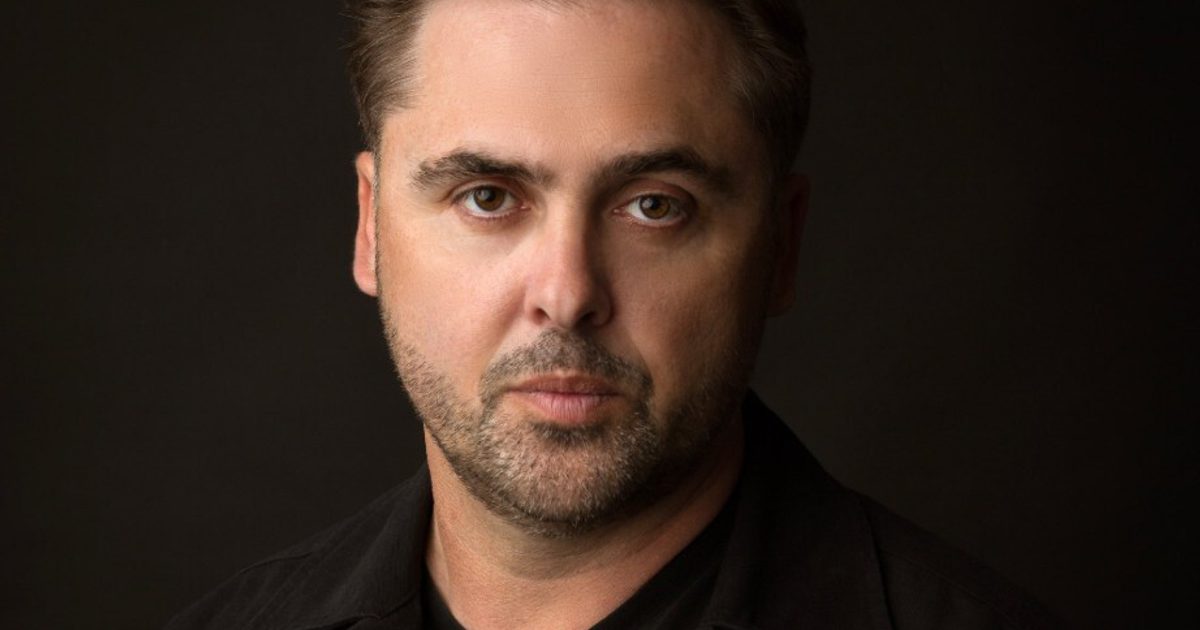
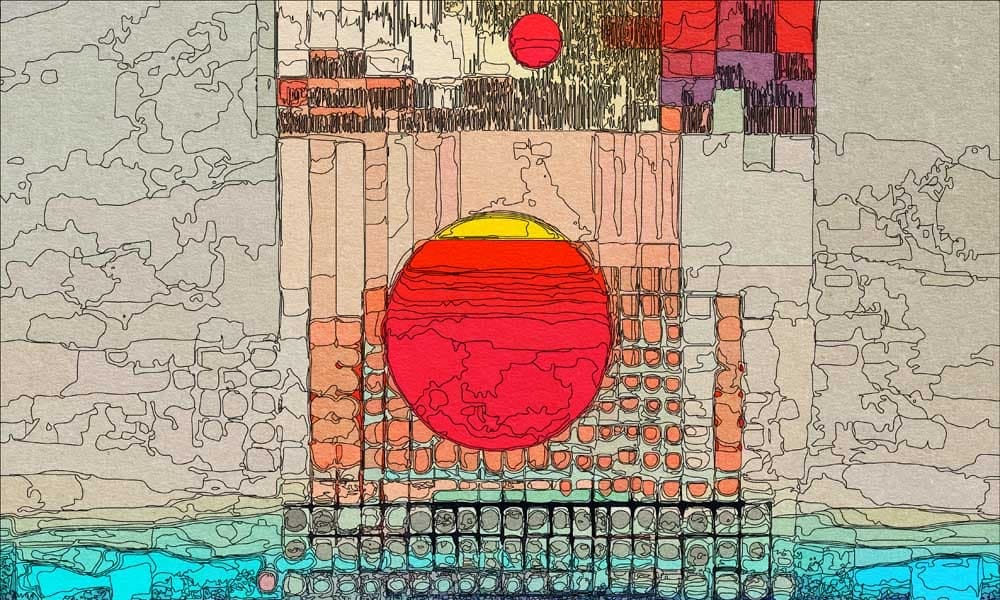
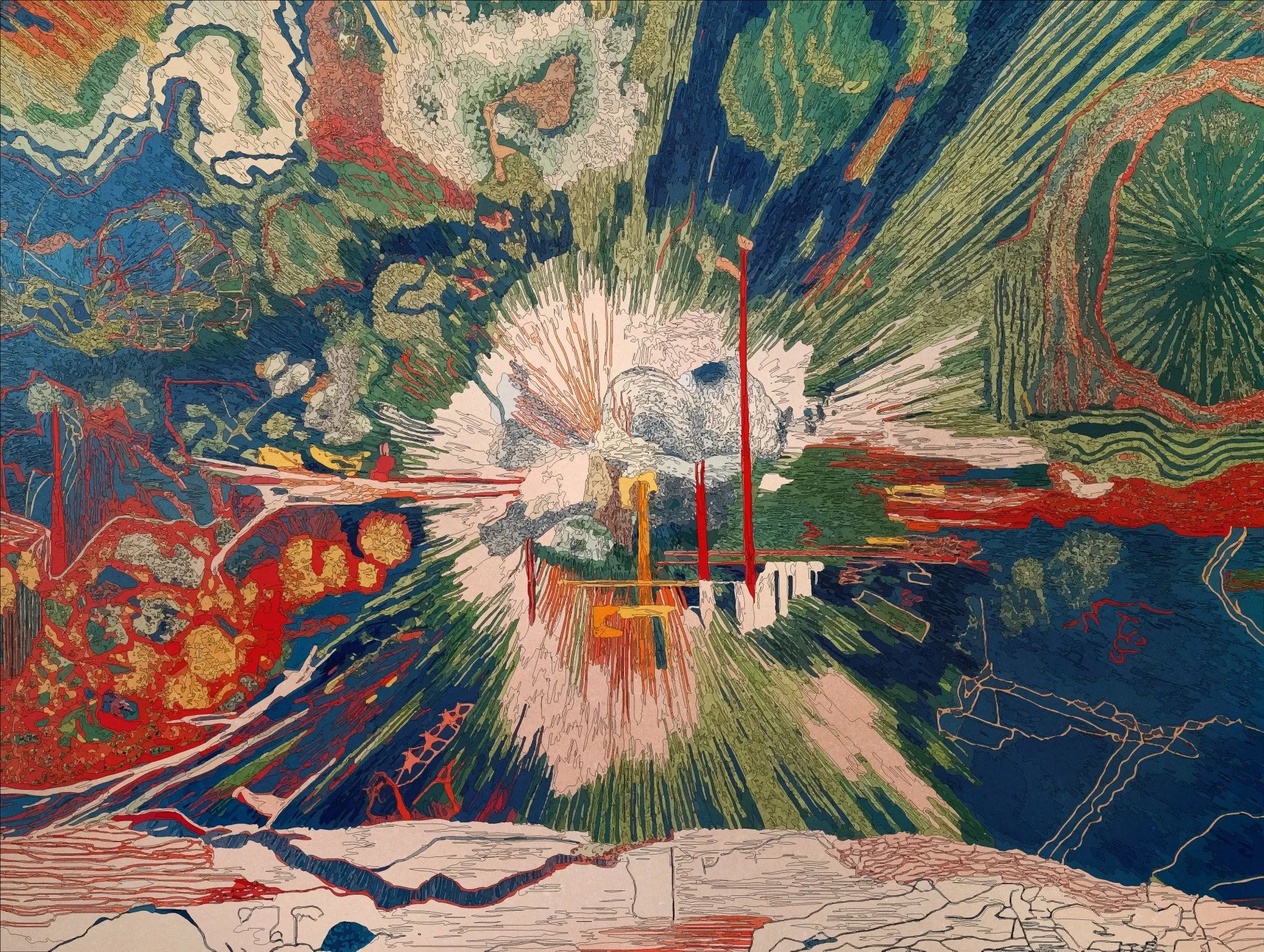
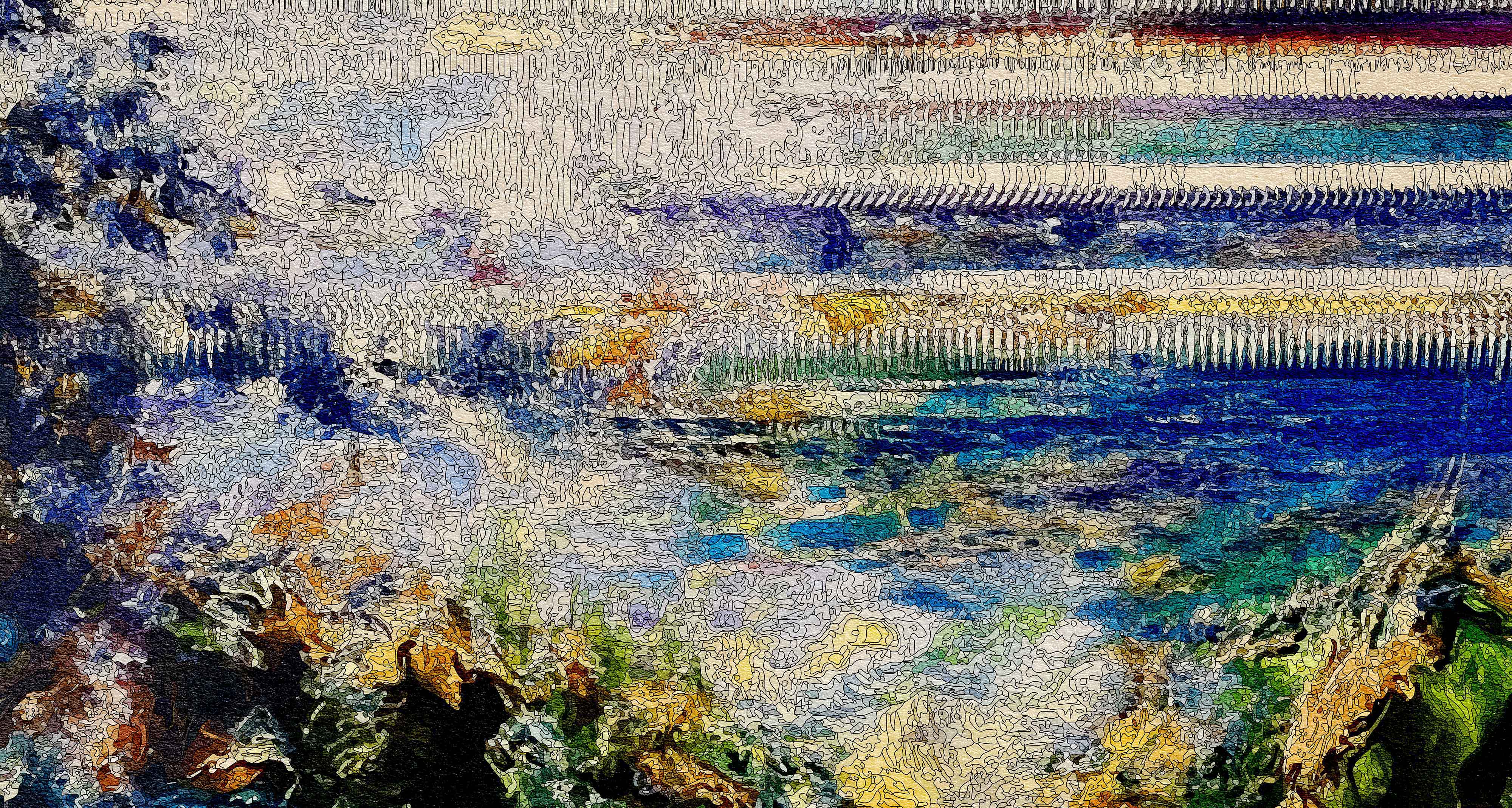
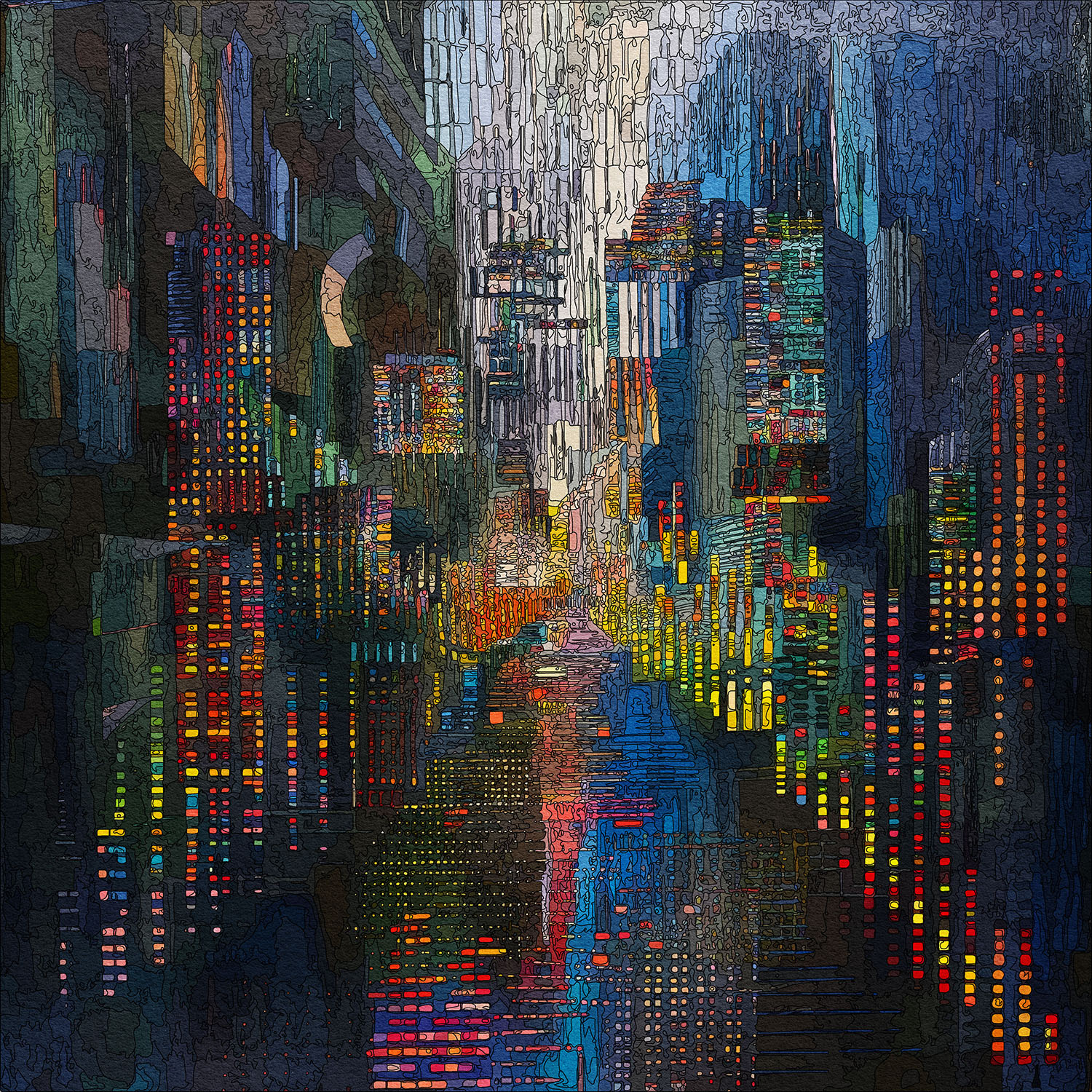
Jean-Jacques Duclaux, known as Eko33 (Swiss, b. 1980), has written code to create generative art since 1999, after being drawn to it through experimental music.,His practice merges custom algorithms, self-trained AI models and neural networks into abstractions that combine geometric precision with organic, unpredictable forms.,He produces physical plotted works, extending his computer-generated images onto paper.,
Duclaux was born in Switzerland in 1980 and lives in a remote part of the Swiss Alps. As a child, encouraged by his grandmother, he took drawing classes and won a junior-high art prize for a sculpture. At the same time, he taught himself programming languages such as MS-DOS, Pascal and Visual Basic.Duclaux began making generative art in 1999 on a Commodore SX-64.,He was drawn into it by experimental music, citing composers such as Pierre Henry and Karlheinz Stockhausen as influences, and used early tools including Max/MSP, SuperCollider and NATO.0+55+3d.Duclaux also trained in sociology and psychology, completing a postgraduate diploma in cognitive psychology.,He has run large-scale digital experiments that reached millions online.
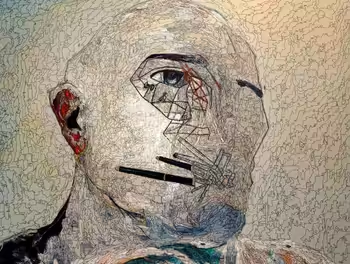
In his process, Duclaux spends more than 80 percent of his time drawing on paper before writing the code, often using Processing, p5.js, Python, VEX and GLSL alongside custom software he has built himself.For works such as Terra Incognita and Robotic Scrolls of the Mind, he trained neural networks on his own hand drawings and then reworked the results with code.In 2024, Fellowship's London gallery presented his solo exhibition “Latent Ink”, 500 unique artworks made by training AI on his own hand-drawn sketches and earlier generative series. The series combined those AI-generated canvases with generative algorithms, machine vision and GLSL shaders, and also included physical works plotted onto paper.,Auctions for Latent Ink pieces reached as much as 370 ETH, around $1.44 million.
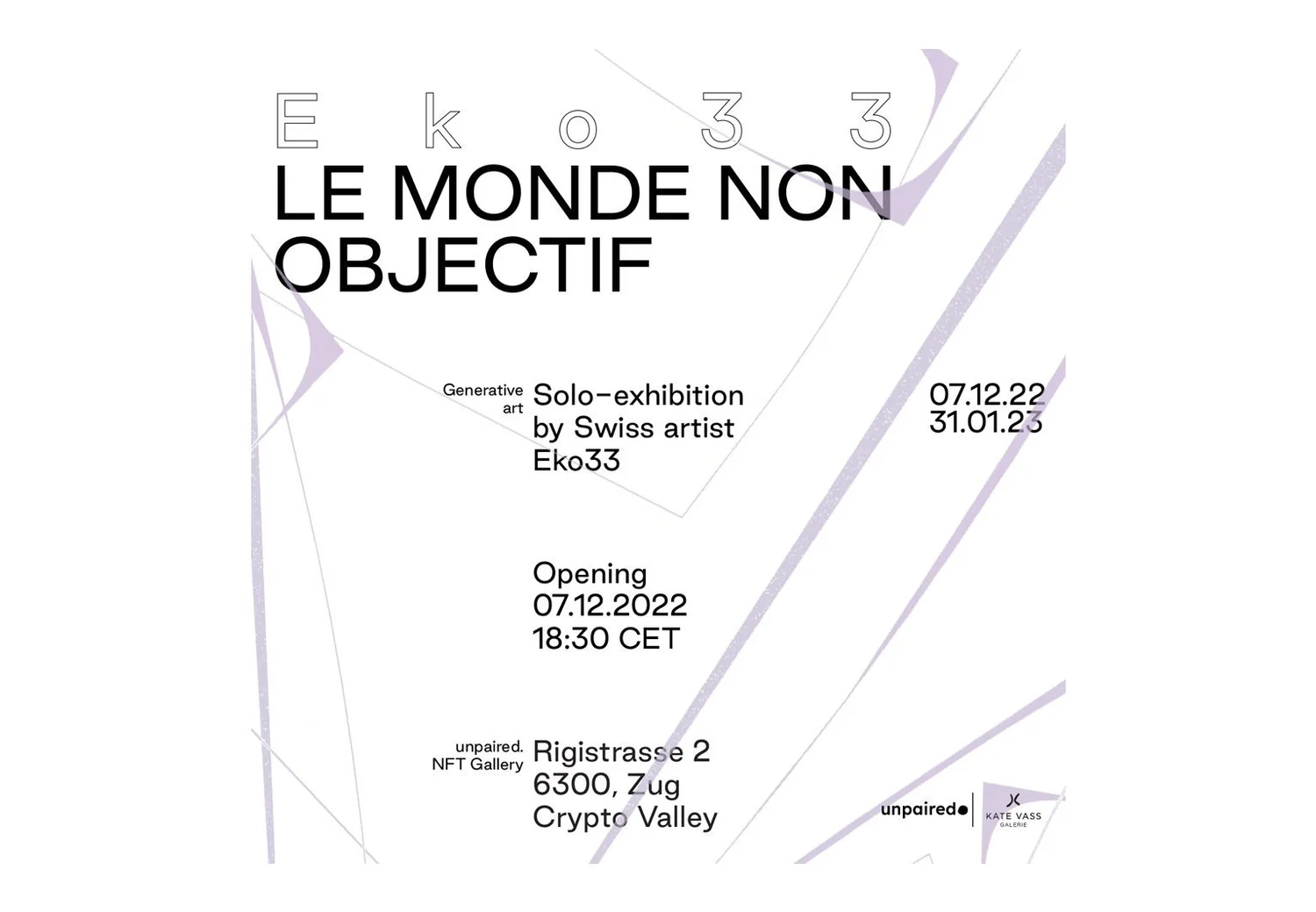
His solo exhibition “Le Monde Non Objectif” opened at Unpaired Gallery in Zug in December 2023, presented with Kate Vass Galerie and drawing on Kazimir Malevich's concept of non-objective art.,In 2022, he also joined the group exhibition “Unpredictable Lines” at Cortesi Gallery in Milan, alongside Grazia Varisco, Anna Carreras, Julien Gachadoat and Nadieh Bremer.His work was shown at the 2022 Venice Biennale's digital showcase, presented in collaboration with Tezos, Bloomberg Philanthropies and Serpentine.,In 2023, he took part in Art Blocks Curated's “Neural Sediments” and completed a residency at Art Basel Miami.Corpus Algorithmica, an exhibition running from November 2025 to June 2026, treats generative art as a form of “code archaeology” that excavates data's hidden biases and collective memories.