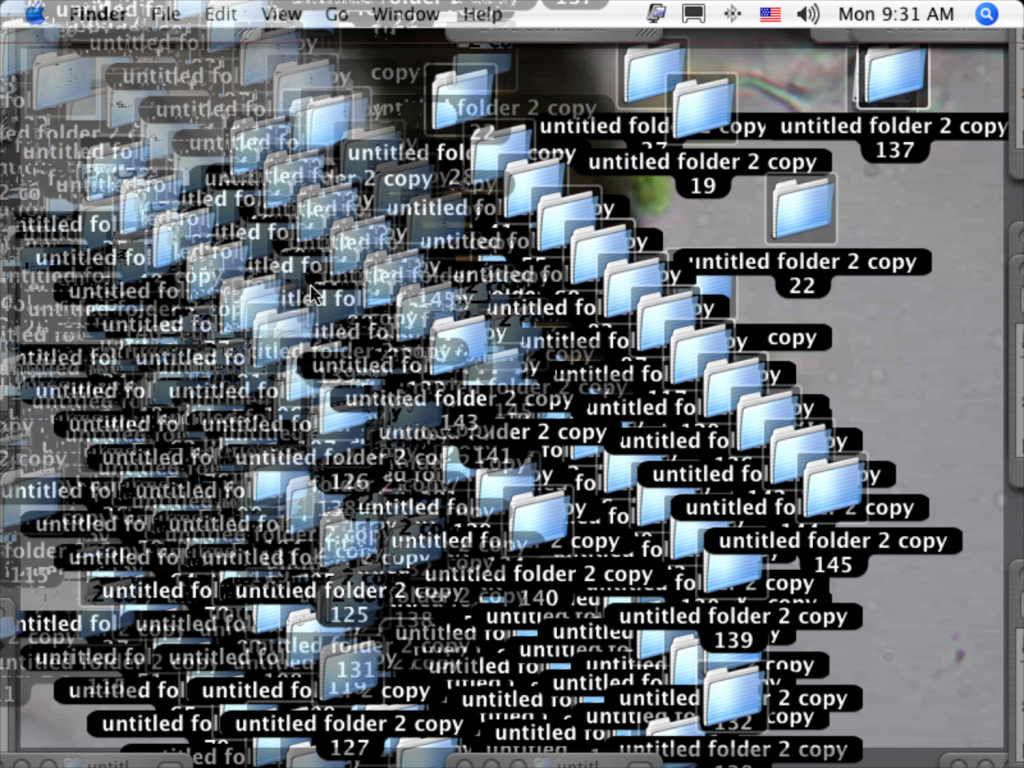
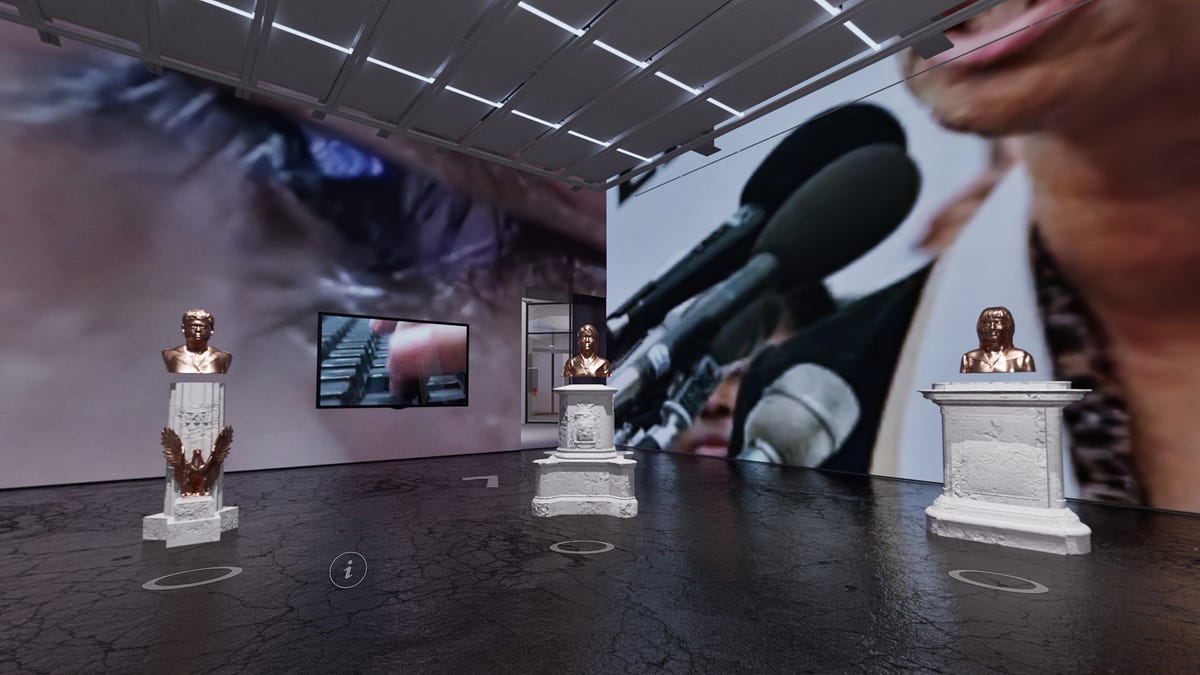
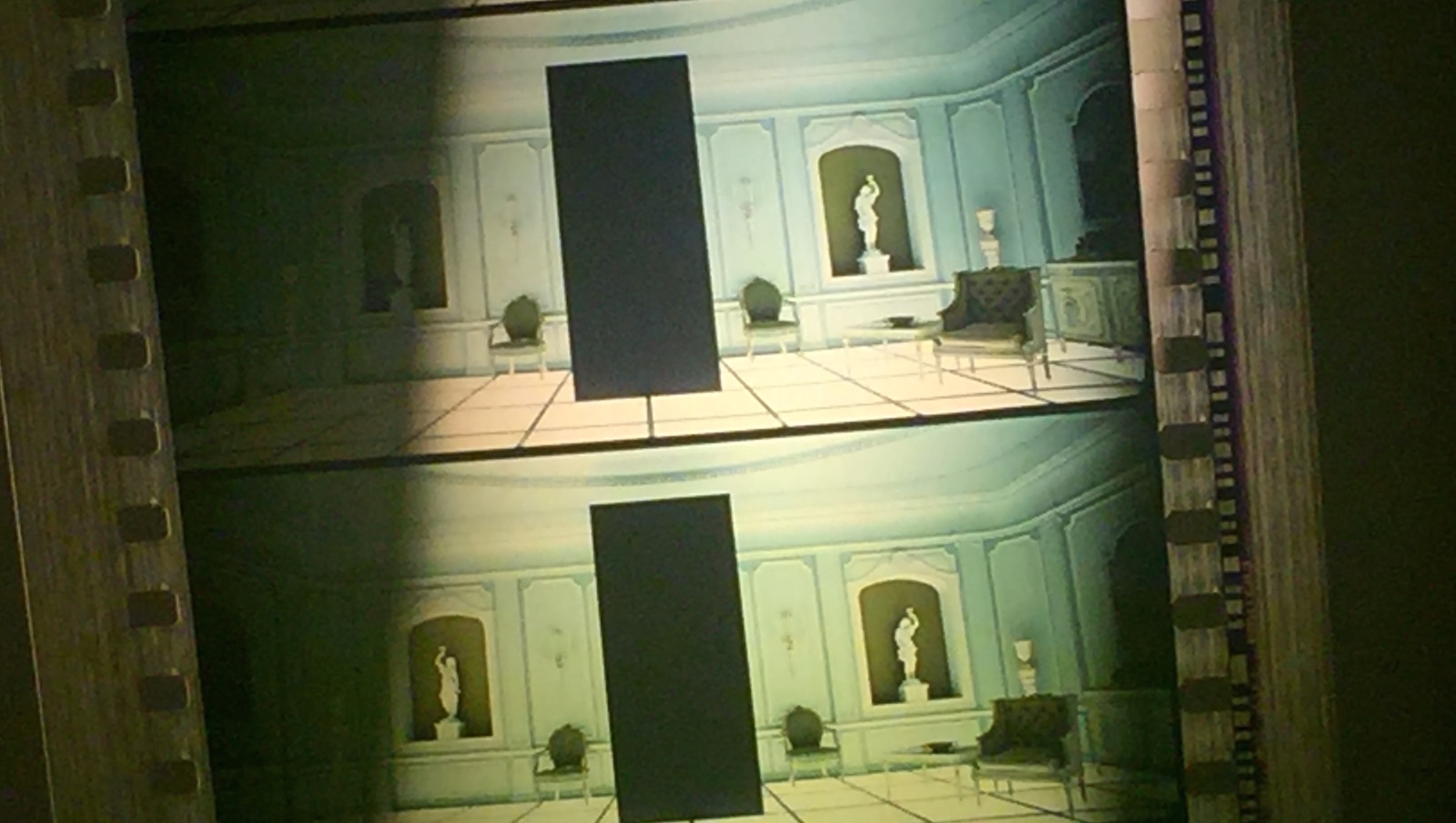
Daniel Temkin (b. 1973) makes photography, programming languages, net art, and paintings that examine the clash between systemic logic and human irrationality.Born in Boston, he is based in New York and holds an MFA from the International Center of Photography and Bard College.,
Temkin began interviewing fellow esolang and code artists in 2011, work that grew into esoteric.codes, a blog and research project on the history of programming languages as an art medium.,Esoteric.codes won the 2014 ArtsWriters.org grant from Creative Capital and the Andy Warhol Foundation and was developed in residence at New Inc, the New Museum's cultural incubator.,In 2018-19 ZKM exhibited the project and commissioned videos of Temkin explaining the history of esoteric programming languages for its Open Codes show.His writing on the subject has appeared in Hyperallergic, Leonardo, and Digital Humanities Quarterly, and is collected in the book Forty-Four Esolangs, published by MIT Press.,In a 2025 roundup, the publication Outland cited his writing on esoteric.codes about programmer Yusuke Endoh's quine relay, a program that translates itself through 128 languages before returning to its starting point.
Temkin approaches glitch art in philosophical terms. In a 2014 essay for NOOART, The Journal of Objectless Art, he argued that “glitch art mythologizes the computer error as its ultimate muse and most potent tool”. He calls his own variant “demented algo-glitch”, describing techniques such as opening a JPEG image in a text editor to corrupt and abstract it through software malfunction. In his ongoing series Glitchometry, begun in 2011, he imports black geometric shapes into an audio editor and corrupts them with sound algorithms in a process called sonification, producing c-prints that render the original forms as colorful sound waves. A related body of work, Glitchometry Stripes, applies the same sonification process to black-and-white stripe patterns, yielding more graphic results shaped by the influence of Op art.
Temkin's photographic work includes a series of dither-pattern prints, shown in a solo exhibition at Higher Pictures gallery in 2020, alongside silver gelatin prints of trees photographed in cities from Vancouver to Phoenix and digitally straightened to look artificially uniform.In August 2025 the Museum of the Moving Image installed Dithering Views, an interactive piece from his exhibition “Dither Studies: A Contentless Dithering System”, on its Schlosser Media Wall in New York.,